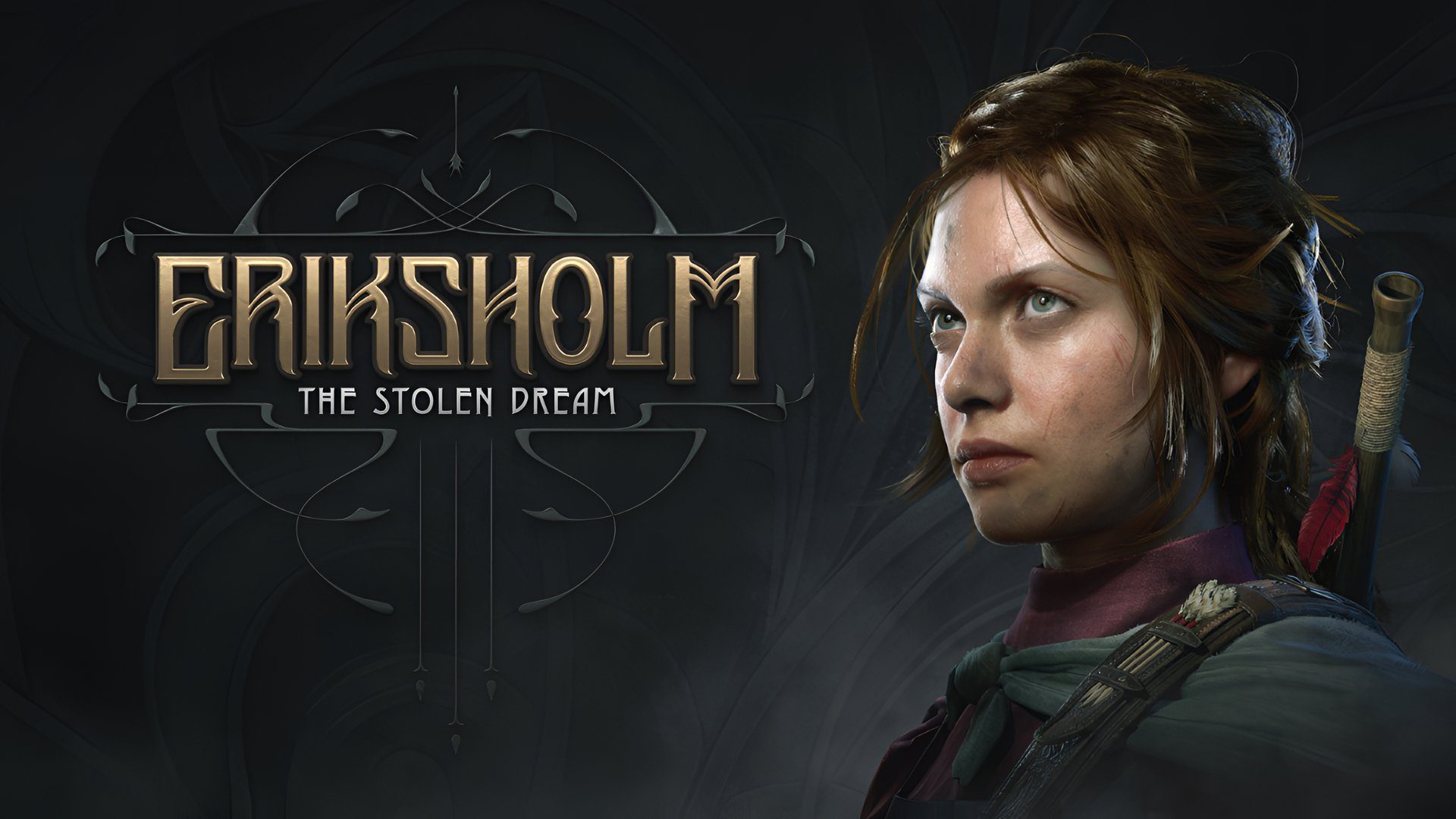
Eriksholm: The Stolen Dream is a successful debut from River End Games. It impresses from the very first moments with its visuals and atmosphere. However, it slightly disappoints with its overly restrictive approach to stealth mechanics. It’s a title that looks and sounds like a AAA production. Yet, it offers an experience more reminiscent of a puzzle game than creative infiltration. It does this well but doesn’t fully realize its potential.
An intriguing story in an interesting world
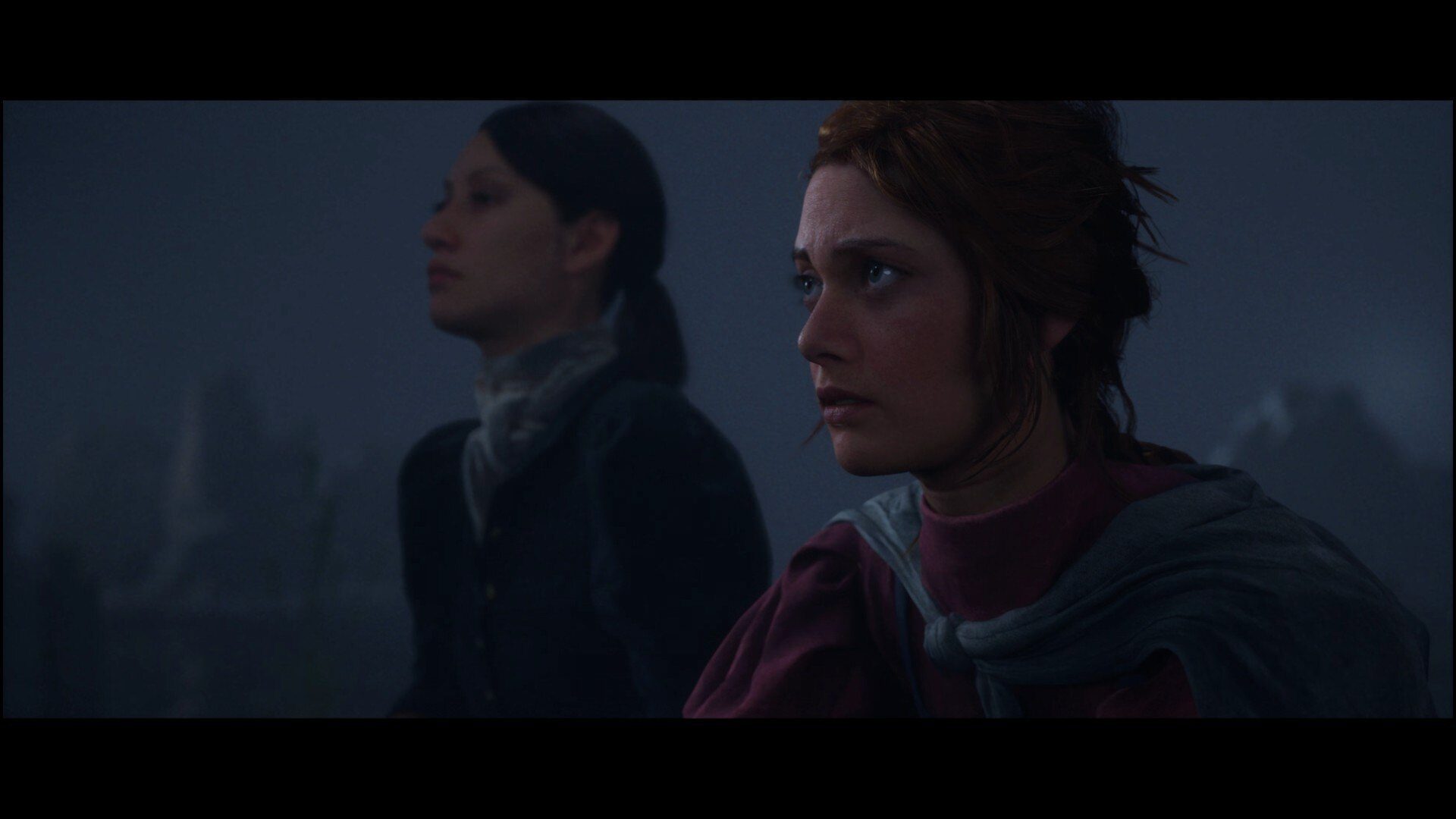
The story centers around Hanna, a young woman who, after recovering from a mysterious illness, must find her brother Herman. When the police raid her apartment, she outsmarts them within moments and disappears from sight. Patrols flood the district searching for the siblings. Hanna embarks on an engaging journey where her goal is not only to find her brother. It’s an accessible, personal story without bombastic twists or complex conspiracies. It’s simply a tale about the strength of family bonds.
From the very beginning, the pre-rendered cutscenes deserve praise. They aren’t generated in real time but were created entirely in the game engine. Their quality is simply stunning. Facial animations and voice acting are truly impressive. You can see the great attention and significant budget invested in this aspect of production. The subtlety of the performances, such as the character’s hidden sensitivity, is captured with remarkable precision. This gives even a simple story strong emotional weight.
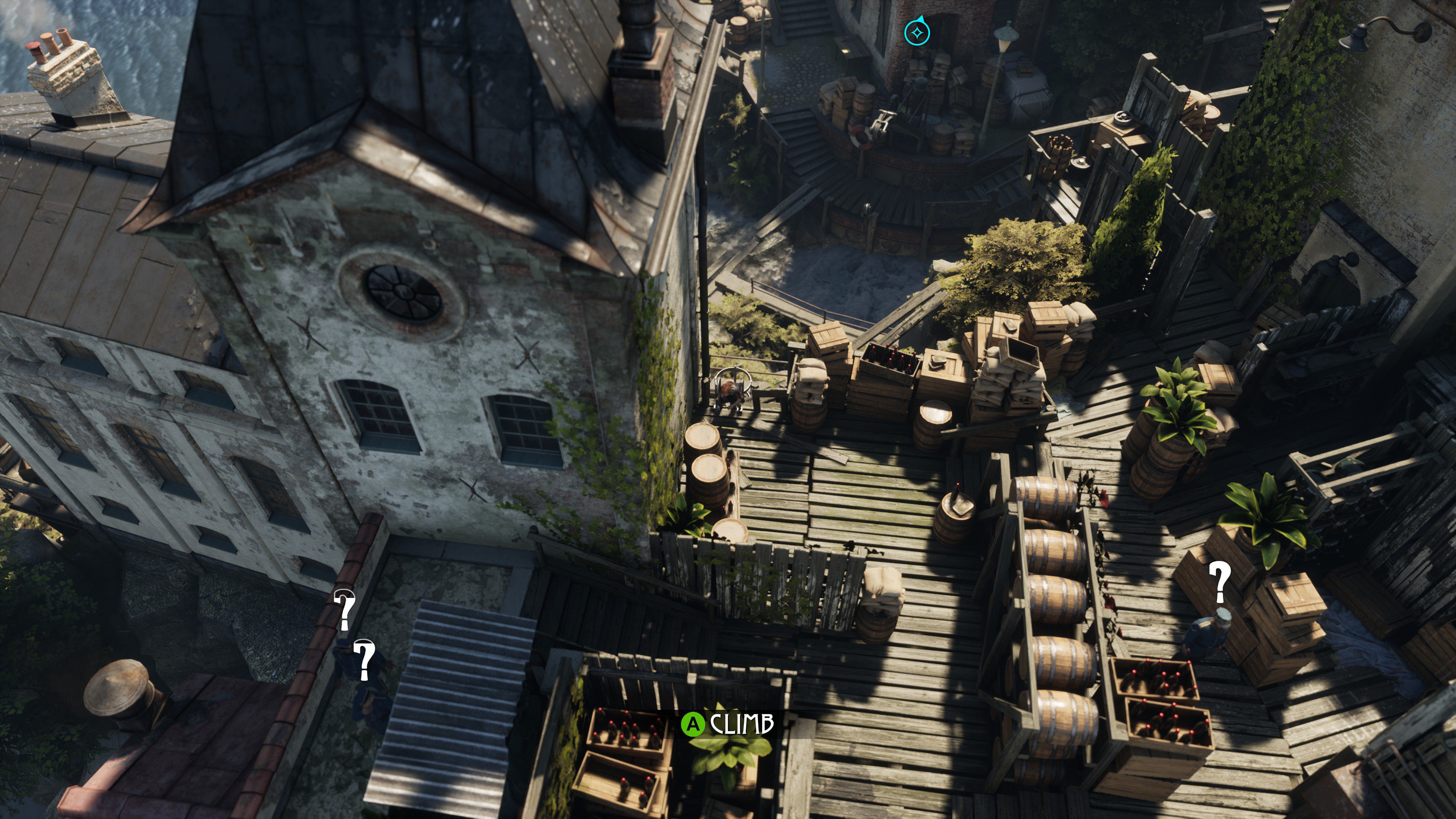
The greatest strength of the narrative lies in the way the world is built through its environment. The early chapters shine particularly bright in this regard. Watching the community unite against police oppression, eavesdropping on residents’ conversations, and feeling the tension between citizens and authorities all create an incredibly authentic atmosphere. The dialogues are written very naturally. Additionally, the British voice acting deserves special praise.
Unfortunately, as the story progresses, the narrative loses some of its strength. The personal conflict between the community and the authorities gives way to a more generic antagonist whose motivations remain underdeveloped. It’s a good and distinctive adventure that could have been something more.
Hanna’s journey and that of her companions takes them through a variety of maps. These are set in an alternate early 20th-century Scandinavia, from crowded slums and underground mines to trade ports, prisons, and impressive medieval fortresses adapted to modern military use. Each of the campaign’s eight locations has its own unique character. This effectively highlights the scale of the conflict and shows how deeply corruption has infected the entire region.
A bit too scripted stealth
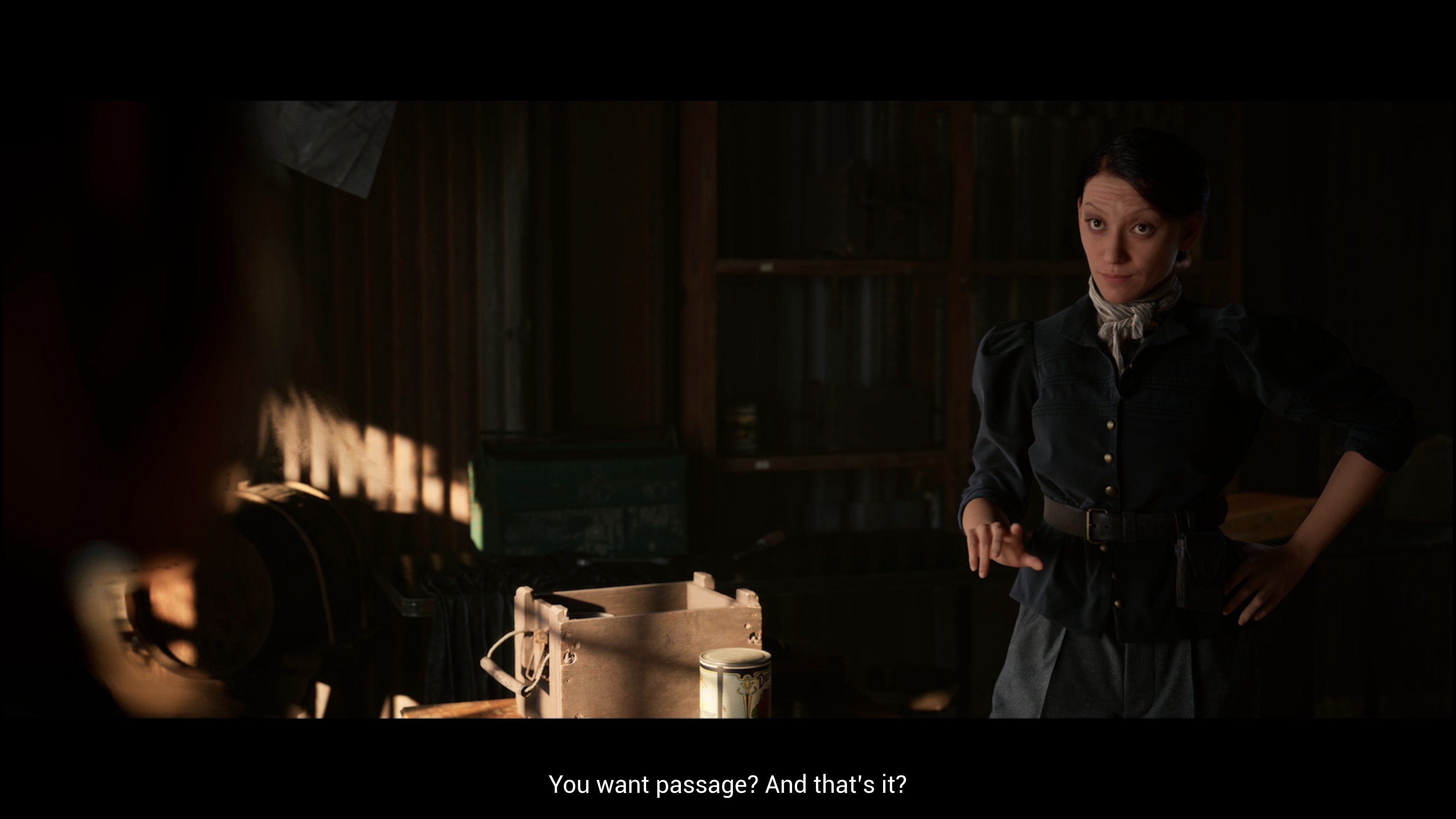
On paper, Eriksholm: The Stolen Dream has all the ingredients of a great stealth game. It features an isometric view ideal for tactical planning, several heroes with unique abilities, and varied environments. Hanna can crawl through vents, Alva climbs pipes and breaks lights, while Sebastian prefers a more direct approach.
The problem is that each encounter feels like a predetermined puzzle with only one intended solution. This isn’t Shadow Tactics or Desperados. In those games, you can approach objectives from multiple angles, using different character combinations and environmental opportunities. Instead, success here feels like following a pre-written scenario. There’s little room for creativity. Any attempt to deviate from the plan usually results in immediate failure and a return to the checkpoint.
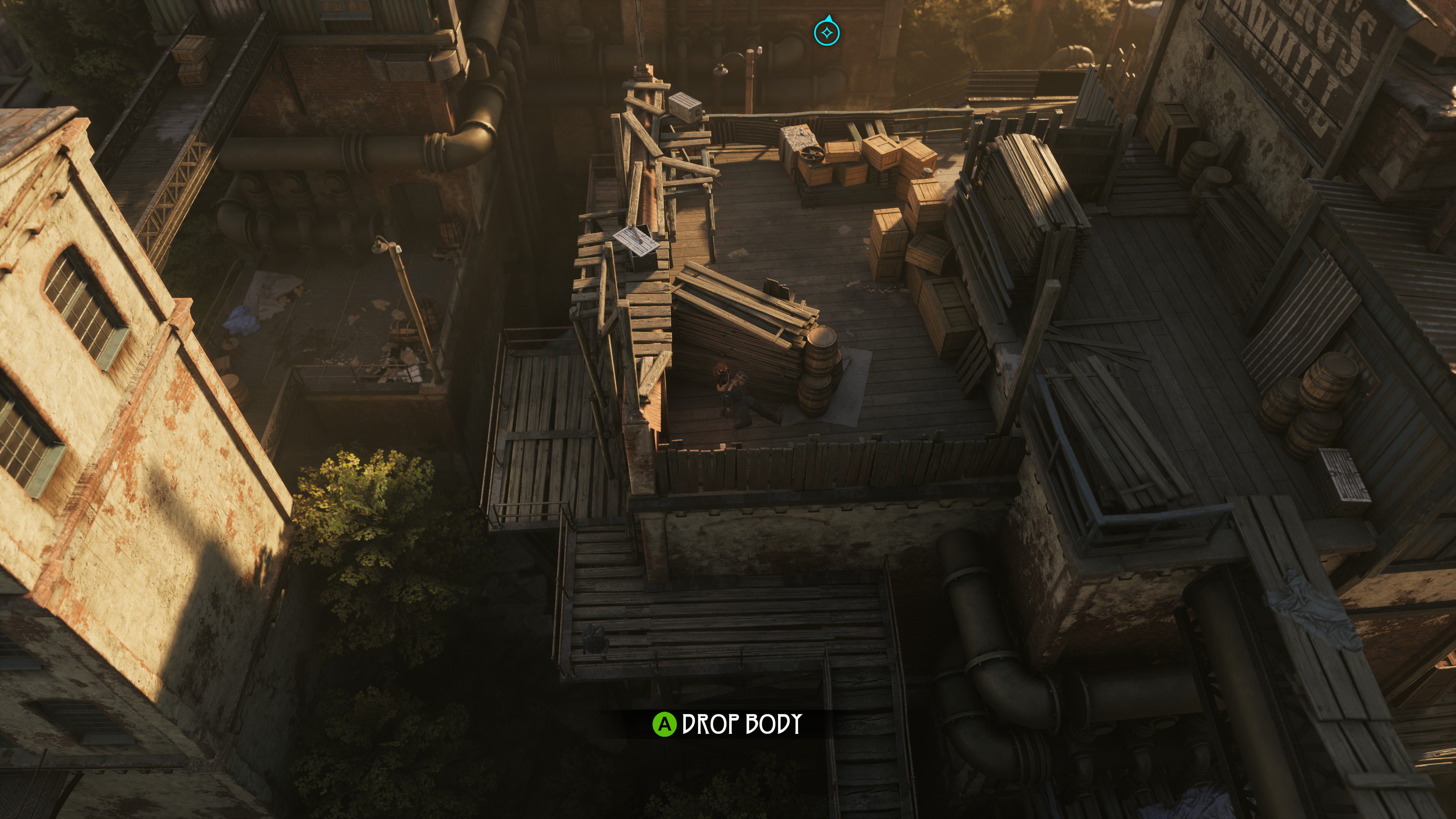
This is especially noticeable in more confined areas. Stages feel almost like obstacle courses where you must carefully plan your route based on guard behavior and environmental cues. Rustling floors or flocks of birds must be used to your advantage but almost always according to the prescribed scenario. It’s worth noting, though, that the game creates excellent tension in moments when coordinating multiple characters, dynamic environments, and guard movements leads to achieving the goal.
The enemy AI deserves credit as well, as their behavior feels quite natural. Guards have personalities and talk to each other. Eavesdropping on their conversations can provide useful hints for eliminating them. When a guard goes missing, others react believably. They don’t mindlessly return to patrols but become more alert and start searching more actively.
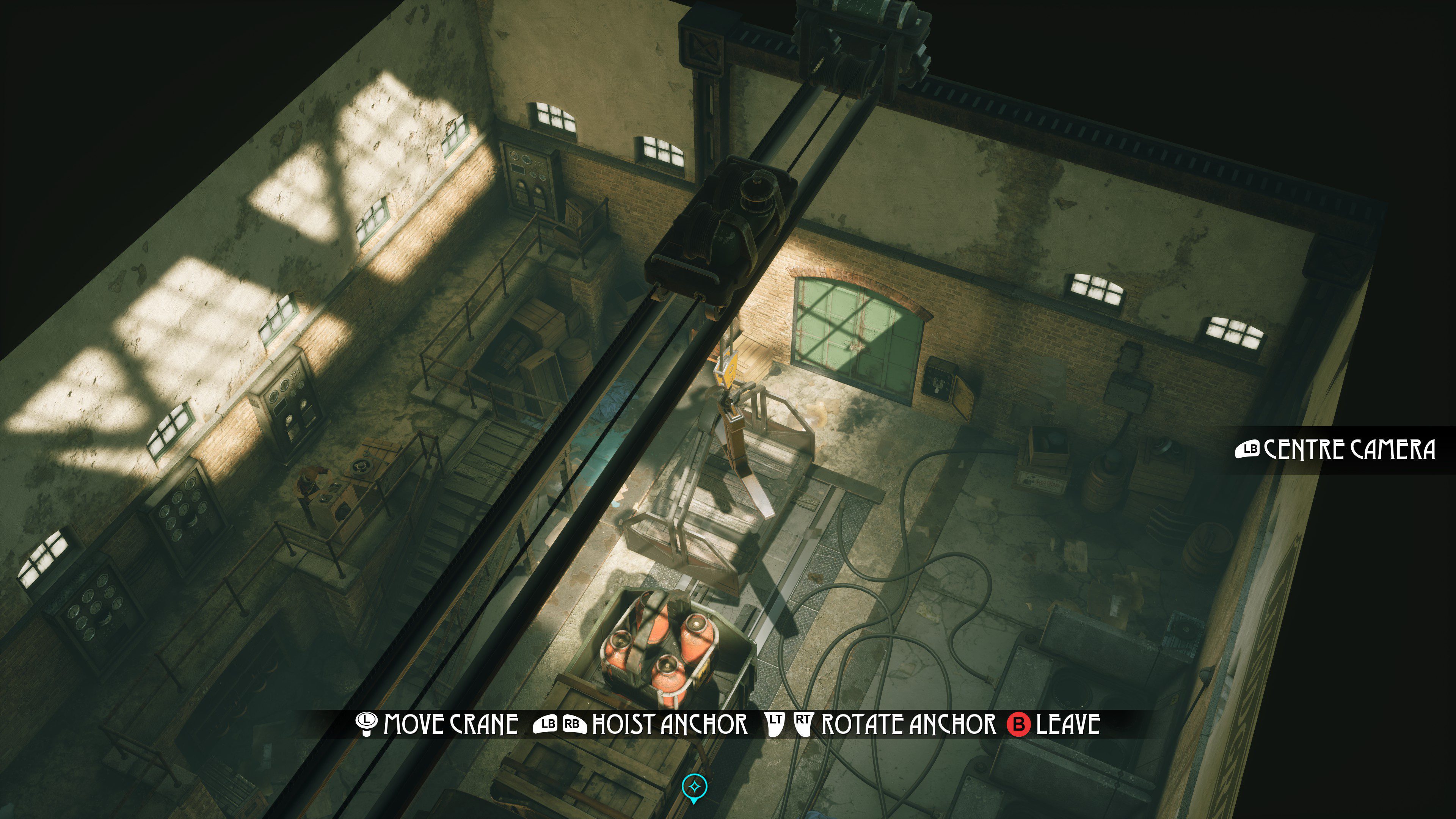
The difficulty level seemed well balanced. You need some focus and common sense, but the tasks are logical and well thought-out. I completed the eight-story chapters in about seven hours, which feels about average for a linear production without replayability features.
Eriksholm: The Stolen Dream is priced at $39.99, clearly below today’s top-tier standards. Whether that’s a fair price for a short, highly linear game with strong artistic value and enjoyable gameplay is up to you to decide.
A visual feast
When writing about Eriksholm, it’s impossible not to mention the aspect in which the game truly shines. It’s a beautiful production that brings Nordic environments to life through great lighting and incredible attention to detail. This is especially impressive considering the title runs on the infamous Unreal Engine 5 while maintaining excellent performance. Even in 4K resolution, I had no problem maintaining a stable 120 (!) frames per second on an Nvidia RTX 4080. Stutters were extremely rare.
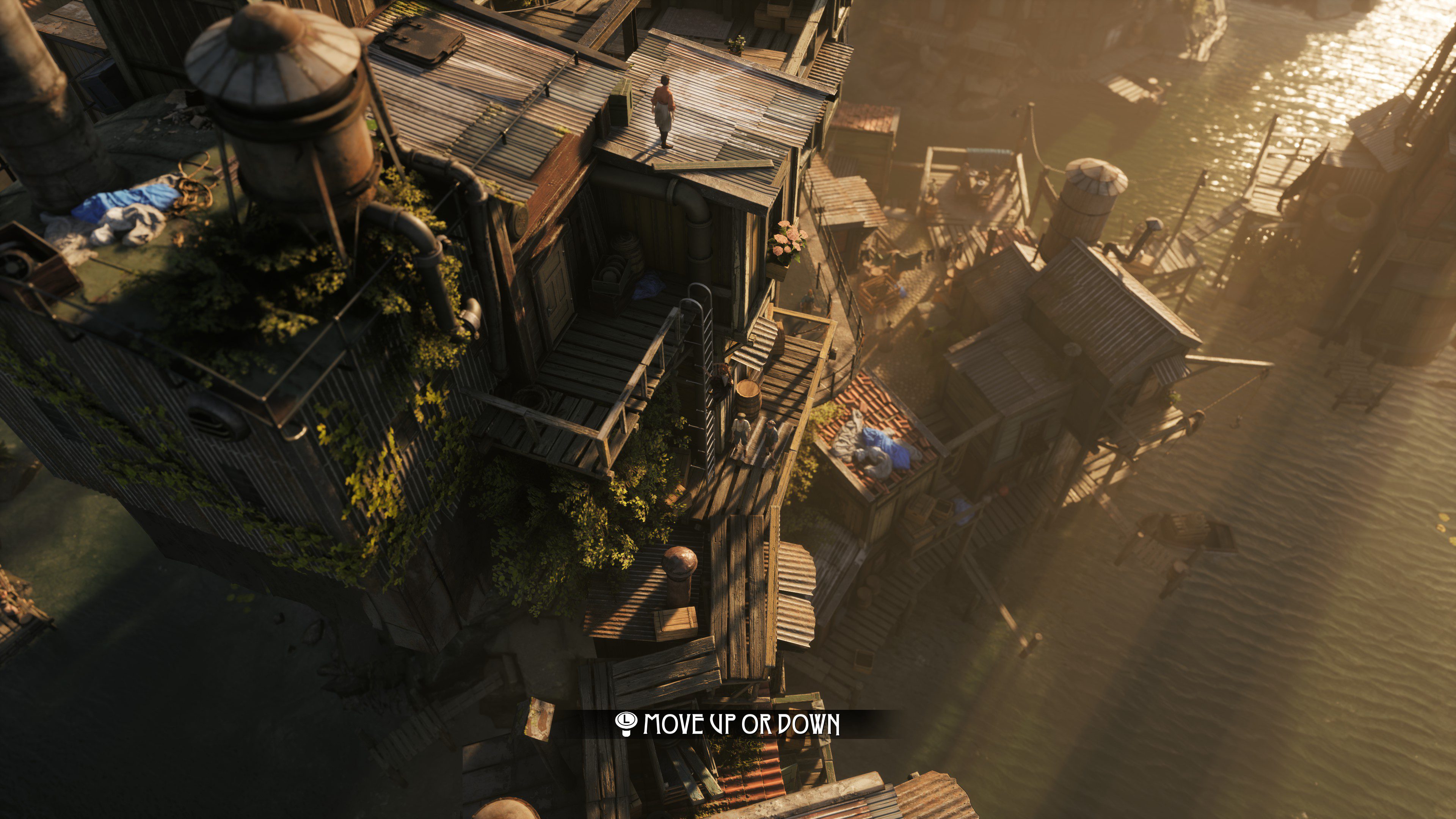
Interestingly, the game doesn’t feature advanced resolution scalers. You can only adjust resolution using percentage sliders. Thanks to good optimization, it’s not a major issue. However, a Nvidia solution would provide sharper image quality, especially in DLAA mode. Players with weaker PCs or Steam Deck owners can still enjoy Eriksholm without much trouble. Yet, lowering the resolution will make the image blurrier than when using options like AMD FSR 3 or Intel XeSS.
So, is Eriksholm: The Stolen Dream worth it?
Eriksholm: The Stolen Dream is a competent stealth-puzzle game that focuses primarily on atmosphere. It succeeds in creating a beautiful, moody experience with a pleasant story and solid technical execution. The world crafted by River End Games impresses with its attention to detail and artistic direction. It surpasses productions made with far larger budgets.
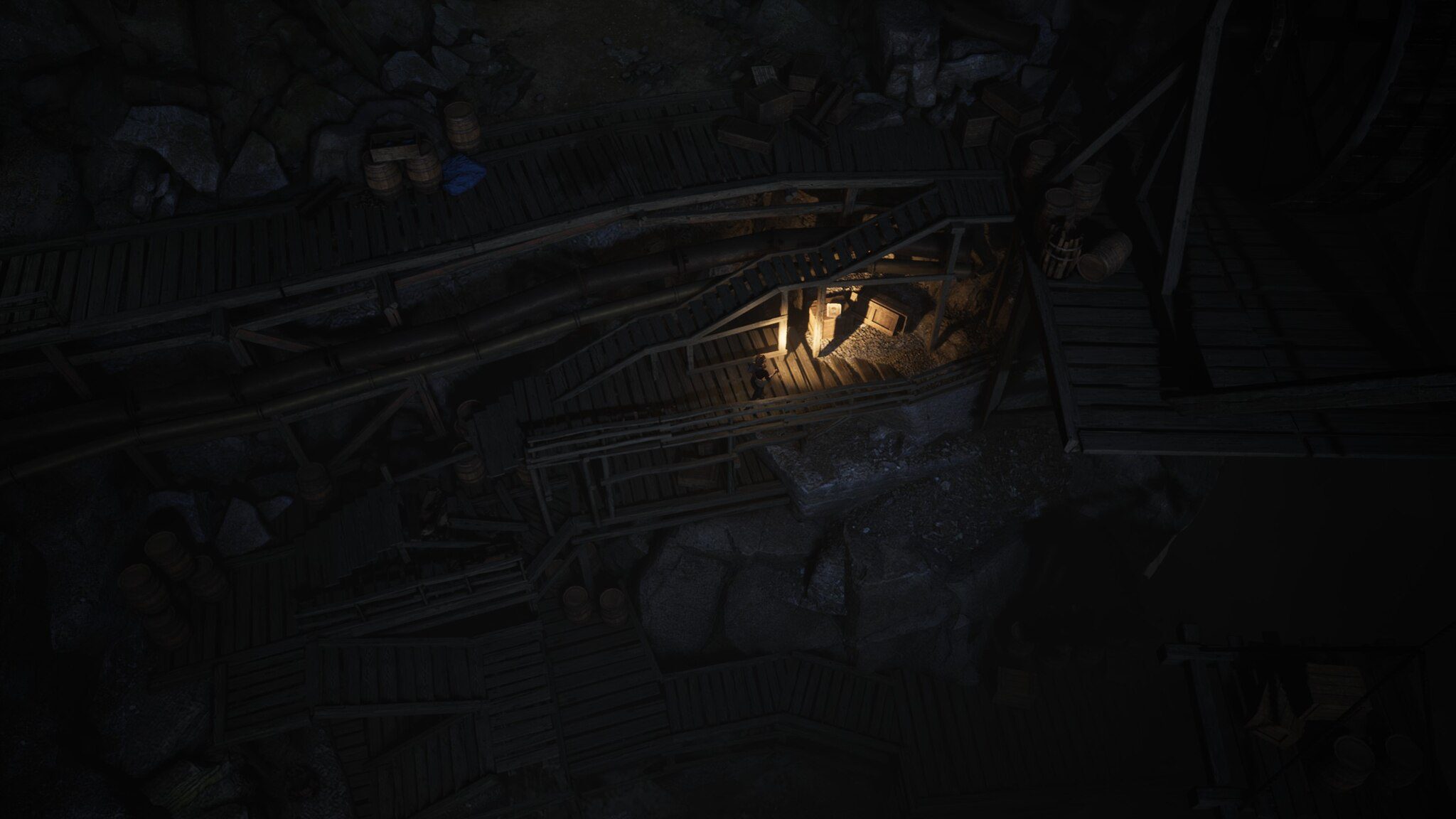
However, the restrictive approach to stealth mechanics is a bit disappointing. Almost every encounter is a pre-defined puzzle. It leaves no room for creative problem-solving or freedom of action. The gameplay is satisfying but doesn’t truly take flight. If these limitations aren’t a dealbreaker for you, Eriksholm: The Stolen Dream still offers many memorable moments. These moments are wrapped in an artistic and polished aesthetic. Before buying, I recommend checking out the available demo on Steam. It lets you play through the first chapter of the story.
Eriksholm: The Stolen Dream: is a beautifully crafted stealth-puzzle game that impresses with its visuals and atmosphere but falls short due to restrictive gameplay. A promising debut from River End Games. – Great on Deck