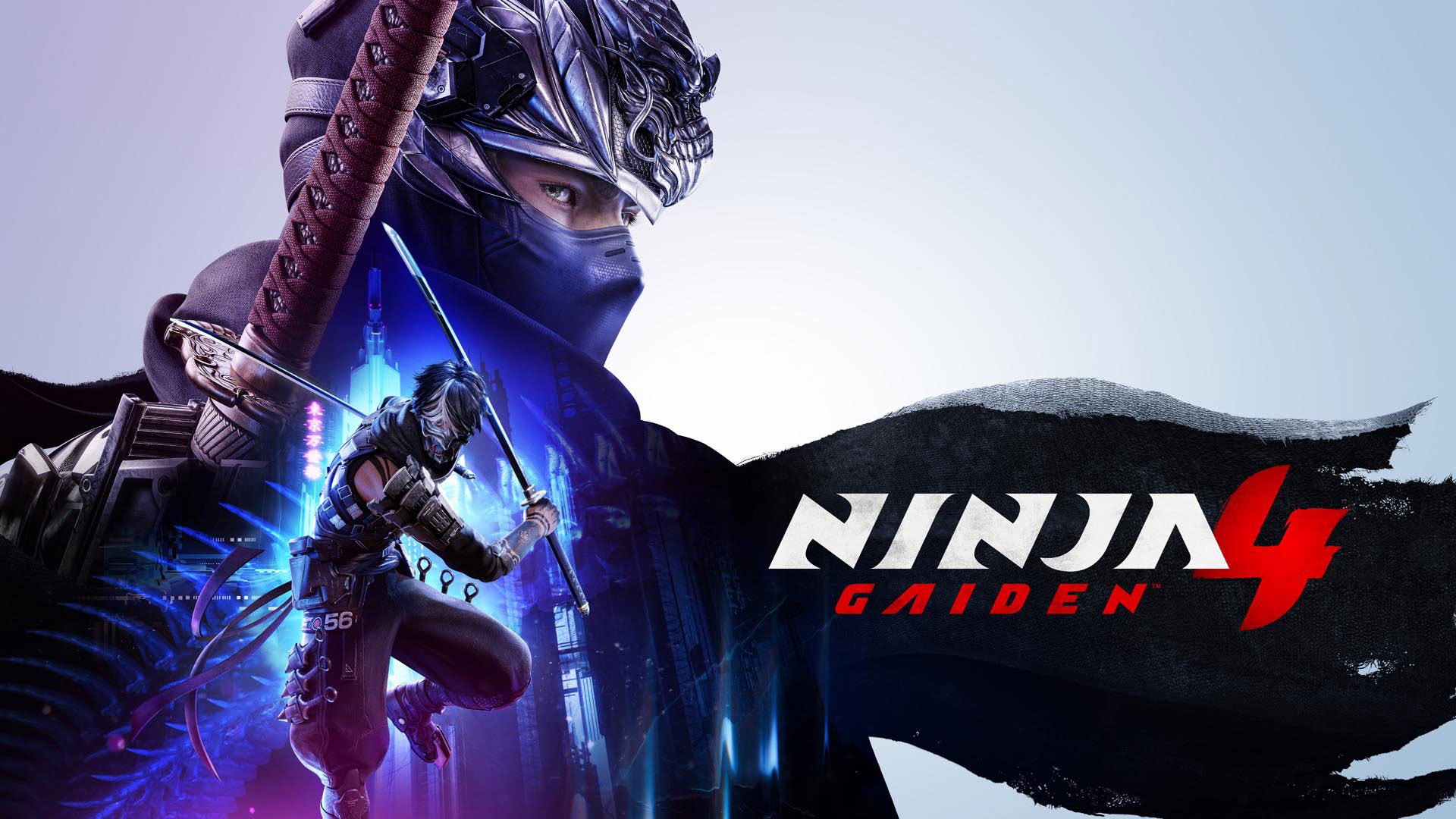
Thirteen years is a whole era in the world of video games. Following the gigantic success of FromSoftware and their “Souls” titles, nearly every action-focused game has tried to borrow mechanics and gameplay principles from them, and traditional slashers have practically gone extinct. However, Ninja Gaiden 4 steps onto the stage like a warrior from another age — with a blade sharp, ruthless, and gleaming in neon light.
This is no longer a Tomonobu Itagaki project, though his spirit is present at every turn. You can see it in the level design philosophy, in the precision of animations, in the satisfaction of a perfect block just before an enemy strike. On the other hand, there is no shortage of freshness here, as the hand of Platinum Games has resulted in even more dynamic, insane, and spectacular sequences, often teetering on the edge of absurdity.
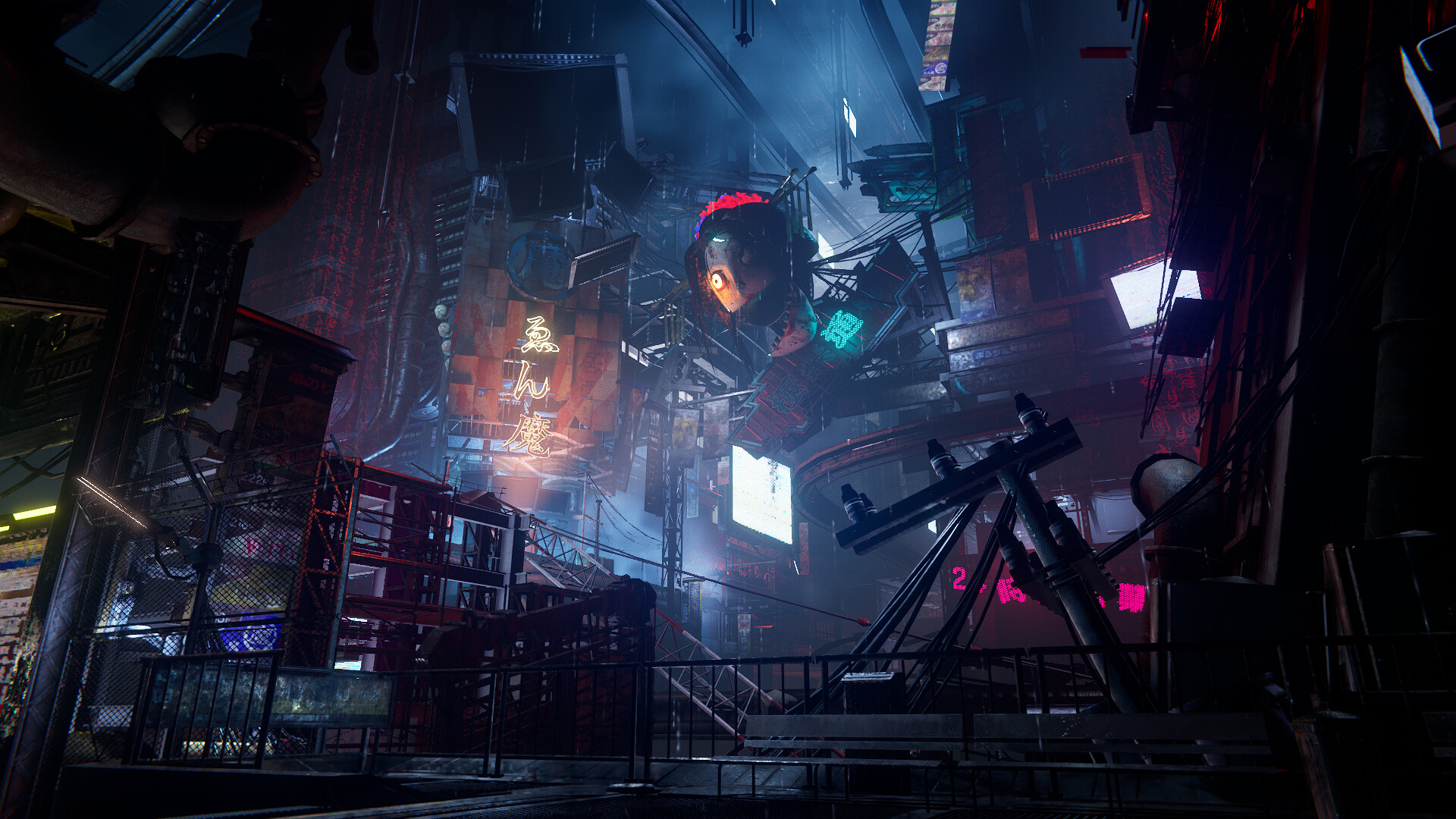
The game opens with a long, hypnotic shot: Tokyo shrouded in darkness, neon lights blurred by rain, streets awash in crimson. This is a world ravaged by the curse of the Black Dragon, an ancient entity that has turned the city into a grotesque parody of life. From the roof of a temple, a ceaseless downpour flows over the metropolis — not of rain, but of blood.
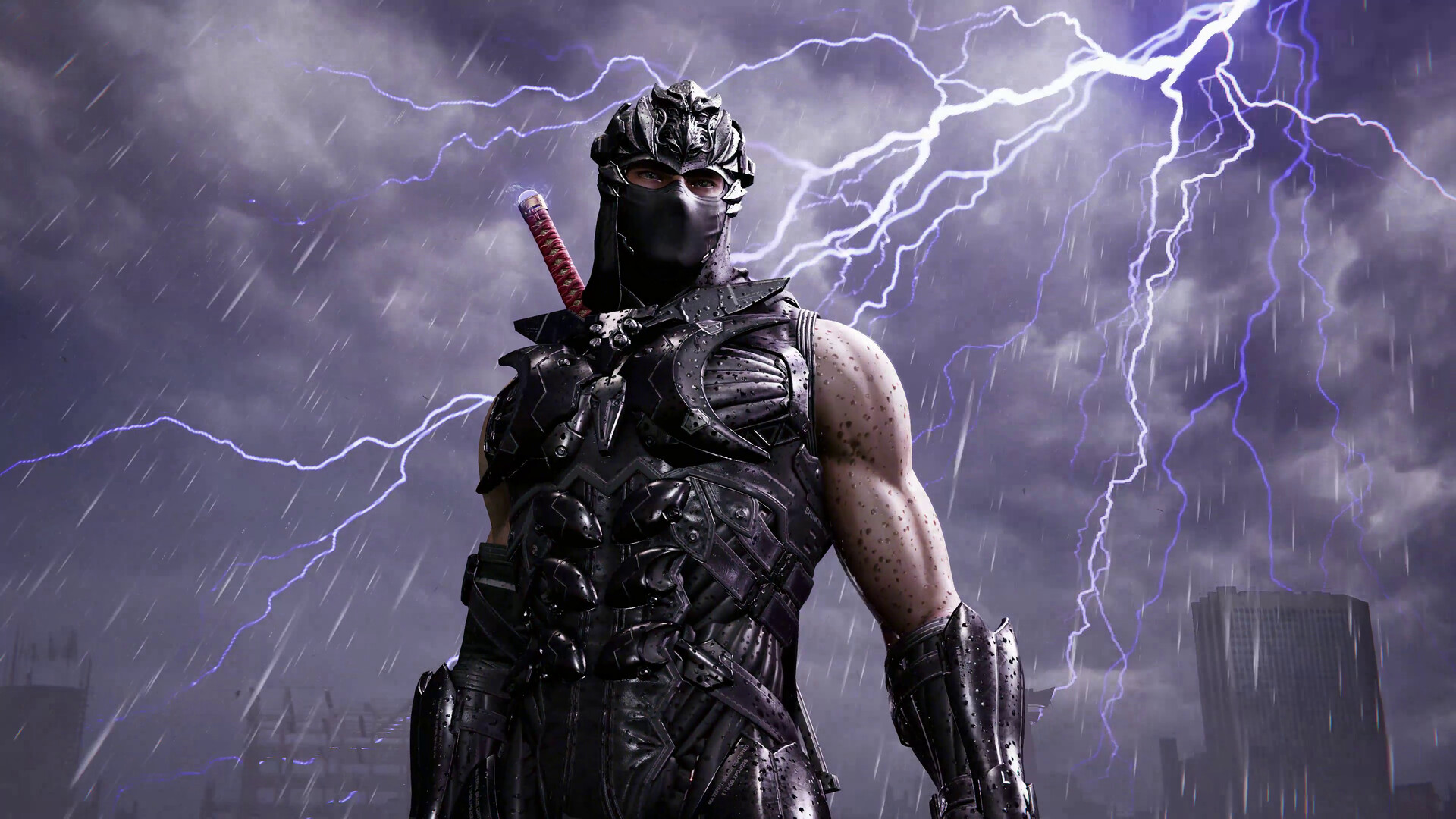
At the center stands Yakumo, the new protagonist, who had been carefully hidden before the game’s release. I understand some frustration, as nobody likes being teased with a cult character on covers and promotional materials only to find out that in the end, they are merely a minor pawn in the larger story. What’s more, when Ryu Hayabusa finally appears in the narrative, he is no longer the unbeatable master, but rather a symbol of passing time, who must make way for the new generation. The relationship between the characters is based on the classic master-and-student motif that must transcend the boundaries of tradition, but the developers handled it quite solidly, and for me, it turned out to be one of the most compelling narrative threads in the entire series.
The story, much like in the previous installments, is simple, yet capable of surprising with its tone. There isn’t much childish heroism here; instead, there is often a sense of melancholy lingering in the background. Thankfully, the cutscenes remain highly exaggerated, flashy, and a genuine pleasure to watch. Excellent effects, animations, and great voice acting all contribute to the experience. The story does not strive for depth but serves its purpose: as a pretext for a spectacular, tension-filled gameplay experience.
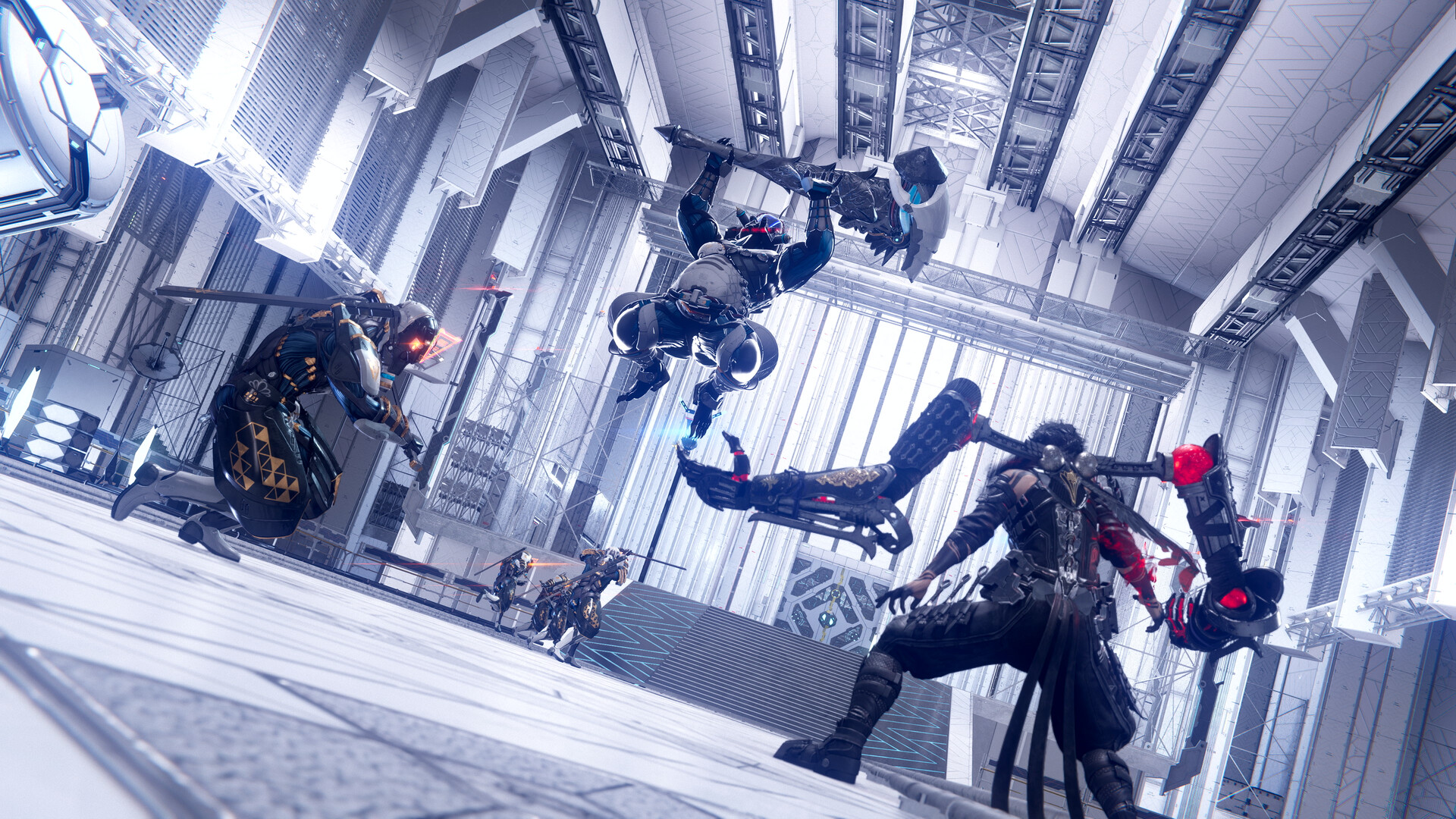
The greatest strength of Ninja Gaiden 4 lies in its combat system. It is the pure essence of the genre – fights are incredibly precise and satisfying. Even on medium difficulty, the game does not forgive many mistakes, but it also doesn’t punish you unfairly. Thanks to Platinum Games, the combat system is more flexible and dynamic than ever before, though it has lost some of its raw austerity.
The combat system is absolute poetry
Yakumo wields four main weapon types, each of which can transform into an alternate form thanks to the power of the Bloodraven Form. The katana becomes a massive greatsword, the spear transforms into a drill, and the axe turns into a colossal hammer. These transformations not only change the range and tempo of attacks but also have a significant impact during more demanding encounters. On top of that, there is a new system of parries, counters, and dodges, far more fluid than in previous entries. The excellent animation timing, precise enemy lock-on, and instant character response make every encounter look spectacular. Poor Ryu is limited to just one weapon (the second is available in paid DLC), but even so, you can’t deny his finesse.
The battles feel like they combine the best elements of Ninja Gaiden with a strong infusion of Platinum Games’ spirit—many elements from Bayonetta, Metal Gear Rising, or even Nier: Automata are strongly felt. The dynamism and appeal of the combat system are further enhanced by a variety of attack chains that we unlock as the story progresses and new abilities become available. There is constant character progression, and each weapon comes with its own unique combo sets.

Basic attacks built on simple “X and Y” sequences are just the surface of the entire system. Only when you begin to chain strikes with dodges, cancel animations by switching weapons, and weave counters into your combos does the game reveal its true nature. In my opinion, this is the absolute peak of the genre, and the finishers are the game’s true hallmark. Every completed combo — whether by severing a limb or breaking an opponent’s guard — seamlessly transitions into a spectacular finishing move. Additionally, the game features many excellently designed boss battles that require learning attack patterns and surprise with their creativity — at least until they begin to repeat.
If you’re not fond of high difficulty, Ninja Gaiden 4 allows you to configure practically every element of the gameplay – beyond the standard reduction of enemy health, you can enable automatic blocking, combos, or dodges. The customization options are simply vast, while players looking for a greater challenge can jump straight into hard mode, which no longer forgives major mistakes.
Level structure and frantic gameplay pace
The gameplay structure is fairly traditional. The game offers a mix of standard combat arenas and linear segments where you must combine fighting with platforming elements. Each scene is designed to reward awareness and observation. Theoretically, you progress along a straight path, but there are many hidden routes and vantage points that allow you to obtain additional resources or Ninja Coins needed to develop abilities.
The movement system emphasizes fluidity and precision – Yakumo can double jump, wall-run, quickly vault between platforms, or perform dynamic slides. Occasionally, you’ll encounter well-crafted chase sequences where you have to stay alert to avoid a dramatic fall. The arenas themselves are multi-layered, allowing for aerial attacks during combat and, occasionally, even a bit of… stealth (I had almost forgotten that Ninja Gaiden 3 also included such an option).
It’s a shame that the developers leaned a bit too heavily into recycling content. There is a lack of variety in enemy design, and on top of that, the game forces you to revisit already explored world sections in later acts, leading to increasing monotony. It took me around 11 hours to complete the entire story, but roughly three-quarters into the game, I had to start taking longer breaks due to the repetitive nature of the gameplay, which partially affected my overall impression.
It’s visually impressive and runs quite smoothly
From a technical standpoint, the game both looks and runs very solidly. Ninja Gaiden 4 uses Platinum Games’ proprietary graphics engine and can surprise players with its level of detail and excellent lighting, while the true crown jewel here is the outright phenomenal animations. They not only enhance the visual appeal but also intensify the already frantic pace of the on-screen action.
The hardware requirements are fairly high, so players with less powerful computers or handheld devices must be aware that 60 FPS and high graphical settings may be out of reach. On the other hand, on sufficiently powerful hardware, you can easily achieve 120 frames per second in 4K resolution, and you can also make use of upscaling options such as AMD FSR 3 and Nvidia DLSS. Interestingly, the DLSS option for unknown reasons only features an On/Off switch, so deeper configuration requires the use of an external application. It’s also worth noting that the game runs smoothly overall, with no stutters – which is crucial for titles so heavily reliant on precision.

Is it worth playing?
The structure of the review rather accurately reflects my experience with the game itself. The first few hours were a festival of unrestrained brutality, complemented by a fantastic combat system and a fairly intriguing story. There is always something happening, and the game loves to surprise you — at least until Ninja Gaiden 4 starts repeating its own patterns to a certain excess. Don’t get me wrong – we’re not dealing with Ubisoft’s copy/paste formula here, but you can definitely feel a drop in creativity and freshness. It is still a fantastic game that impresses with its spectacle, depth, and world design. Despite many changes, it retains the soul of the series and doesn’t try to latch onto the brand like a “f” to Silent Hill.
Ninja Gaiden 4: it’s a triumphant return of the classic slasher – brutal, precise, and spectacular, though at times weighed down by recycled ideas and a drop in freshness in the second half of the game. – Great on Deck